
Annual Leave and Other Leave
Sick Leave Guide
Sick leave is time off work that employees can take when they are unwell, injured, or need to care for a sick family member. In New Zealand, sick leave is covered by the Holidays Act 2003, which sets out rules and entitlements for both employers and employees.
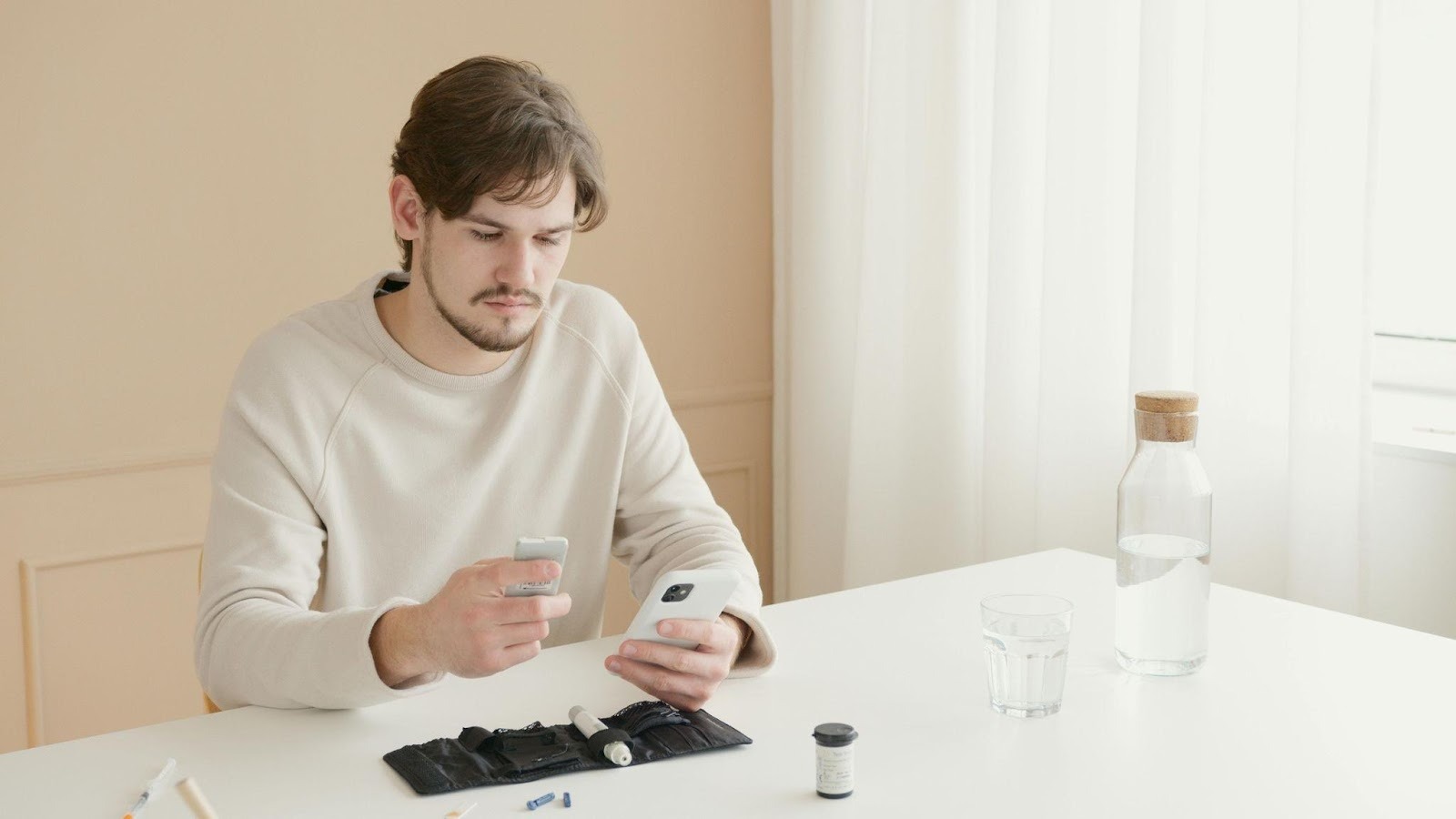
For New Zealand businesses, understanding sick leave is important because it helps create fair workplaces, ensures compliance with the law, and supports employee wellbeing. Getting it wrong can lead to confusion, disputes, or even legal issues. Many Auckland employers we’ve worked with have told us that clear policies around sick leave make a big difference in building trust and reducing stress for their teams.
In this guide you’ll learn:
- How sick leave works under NZ law
- When employees become entitled to sick leave
- What proof employers can request
- Sick leave entitlements for casual employees
- What happens with unused sick leave
What Is Sick Leave in New Zealand?
Sick leave in New Zealand is paid time off that employees can use when they are too unwell to work or when they need to care for a dependent, like a child or partner. Sick leave entitlement in NZ is a legal right, not just a workplace perk.
Sick Leave Entitlement
Under NZ sick leave rules, employees become entitled to 10 days of sick leave per year after working for the same employer for six months.
Key points about sick leave entitlement:
- Employees get 10 days every 12 months after meeting the six-month test.
- Sick leave renews on the employee’s anniversary date, not the calendar year.
- Sick leave can carry over, up to a maximum of 20 days.
- Unused sick leave in NZ does not need to be paid out when someone leaves their job.
So, if you’re wondering “how many sick days per year NZ employees get,” the answer is 10, with the chance to accumulate up to 20.
Sick Leave Pay in NZ
Sick leave NZ pay is calculated at the employee’s relevant daily pay or average daily pay, whichever is appropriate. This ensures employees are paid fairly for the hours they would have normally worked.
If an employee is sick for two days, yes, they get paid for both if they have sick leave available. If they don’t, it can be taken as unpaid leave or annual leave by agreement.
Medical Certificate for Sick Leave
Employers can ask for proof of sickness. A medical certificate for sick leave in NZ can be required if an employee is away for:
- Three or more consecutive calendar days, or
- Less than three days if the employer reasonably requires proof and agrees to cover the cost.
This means an employer cannot refuse sick leave NZ-wide just because proof isn’t provided immediately, but they can ask for it when appropriate.
Sick Leave Reasons
Sick leave reasons can include:
- Personal illness or injury
- Caring for a sick spouse, partner, child, or dependent
- Recovery after surgery (sick leave for surgery NZ is common)
- Mental health leave NZ, as mental wellbeing is treated the same as physical health under the law
Unused Sick Leave in NZ
Unused sick leave NZ rules allow carryover of up to 10 unused days, up to a maximum balance of 20 days. If employees don’t use their days, they remain available for future illness, but employers don’t need to pay them out when employment ends.
Can an Employer Refuse Sick Leave NZ?
Employers cannot refuse sick leave if the employee is entitled to it and has days available. However, if the employee has no entitlement left, an employer can decline further paid leave. In such cases, employees may choose unpaid leave or use annual leave by agreement.
Key Takeaways for Employers
- Employees are entitled to 10 days of sick leave per year after six months.
- Sick leave can carry over, up to 20 days.
- Casual employees are covered if they work regularly and meet the six-month test.
- Medical certificates may be required after three days, or earlier if the employer pays the cost.
- Sick leave covers illness, injury, surgery, or caring for dependents, including mental health.
- Unused sick leave is not paid out when employment ends.
Not sure where to start?
Let’s have a chat.

